MOTS-c Peptide: Benefits, Dosage Chart, Side Effects
It’s sold online as a research chemical, but “available” isn’t “approved.” It’s not an FDA-approved drug or a dietary supplement (and FDA staff proposed against adding its bulk forms to the 503A list ahead of a July 23), 2026 meeting. Those are crowd conventions, not clinically validated doses — the human trial hasn’t published one. Native MOTS-c has strong — repeated mouse evidence and human observational data (your own MOTS-c falls with age), but no completed trial has tested it as a therapy in people. In mice, and in a lot of anecdotal human reports, yes, a steadier energy baseline is the most commonly described effect. A fat-loss fragment like AOD-9604 is a closer conceptual cousin, and also far less proven in people than the GLP-1s. But because its clearest effects are metabolic, the comparison people actually want is against the drugs that already work in humans, and that’s not a fair fight.
For those exploring peptides for fat loss — MOTS-C represents a distinct mechanism compared to GLP-1 agonists or growth hormone-related peptides. More importantly, the researchers demonstrated the mechanism. The study showed that exercise triggers a spike in MOTS-C levels in human skeletal muscle — measured in biopsies from young male volunteers after a single bout of cycling.
In the foundational 2015 study published in Cell Metabolism, researchers reported that administering MOTS-c to mice improved insulin sensitivity and helped protect the animals against diet-induced obesity. The precise receptors or binding partners for MOTS-c in humans are still being investigated — and translating these mechanisms into predictable human outcomes remains an open scientific question. A second (closely related mechanism concerns the folate-methionine cycle), a set of biochemical reactions that supply one-carbon units for metabolism. The best-characterized mechanism of MOTS-c involves the AMP-activated protein kinase (AMPK) pathway. MOTS-c is also sold in Europe as a pre-filled pen; our article on whether to pick a vial or a pen compares the two formats on price per mg and stability.
MOTS-c (40mg vials)

Because MOTS-c has a relatively short half KLOW 80 research blend information -life — it is typically dosed on multiple days per week rather than as a single large weekly dose. The most commonly referenced human range is 5–10 mg per subcutaneous injection — 3–5 times per week. It is a reasonable hypothesis — not an established effect in people, and human trials looking at obesity, glucose control and aging markers are still early. They may guide future research but do not justify clinical claims today, and a responsible clinic will not market MOTS-c for these uses. In the foundational 2015 work (MOTS-c enhanced insulin sensitivity), promoted glucose uptake in muscle, and protected mice against high-fat-diet-induced obesity and insulin resistance.
The 0.3cc 31G syringes feature gradation markings of 1 unit each , compared to 2 units on the 1cc,, ensuring accurate doses of peptides under 50 units. The fridge most frequently mentioned for dedicated peptide storage within the research community can accommodate approximately 20 vials and operates quietly. Once the protocol is initiated — community-shared milestones and clinical trial data provide insights into what to genuinely anticipate. You have the protocol in hand — now discover what to expect (how to prepare), and the sources for MOTS-c. MOTS-c and SS-31 function through entirely distinct mechanisms, while MOTS-c signals through AMPK, SS-31 stabilizes cardiolipin at a physical level. Within the 28-day refrigeration period documented for reconstituted MOTS-c, a 10 mg vial is consumed over the course of two weeks.
Round up for priming losses — dropped syringes, damaged swabs, and any protocol adjustments. Plan based on a 10 mg MOTS-c vial reconstituted with 1.0 mL bacteriostatic water. These tiers are summarized from animal studies (Reynolds 2021 — Lee 2015, Kumagai 2021), the WADA monograph, and the clinic-provider language reported in Innerbody’s MOTS-c review. Cycling is reported as a way to limit AMPK downregulation and to give a clean off-window for reviewing markers. For protocol-focused research, also see Peptide Dosing Protocols. Used by researchers checking tolerance and histamine response.
In addition (the Cognitive Vitality Report mentions some potential drug interactions), namely any medications that activate AMPK. In July 2026 (MOTS-c was among six peptides on which an FDA advisory panel voted to lift restrictions), so it’s possible that the near future will see additional studies examining its effects in humans. “MOTS-c promotes osteoblast proliferation (differentiation), and mineralization,” say the authors of a 2023 review.24 Osteoblasts, by the way, are cells that both form new bones and heal existing ones — the more of them you have, the stronger and denser your bones are likely to be.25 So MOTS-c’s osteoblast-promoting action is great news for anyone at high risk of developing osteoporosis, such as postmenopausal women.26 The researchers concluded that MOTS-c “may serve as a promising therapeutic target for inflammatory pain.”23 A 2024 study on mature mice points to MOTS-c’s potential as a treatment for acute and chronic inflammatory disorders.
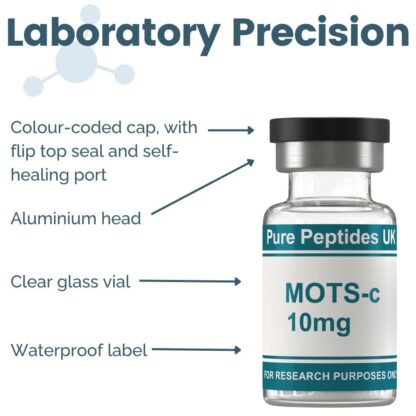
This protocol aids in the management of glucose metabolism (curtails cortisol dominance), and assists in hormone rebalancing during or following stressful times. MOTS-c is a flexible peptide that synergizes effectively with agents for fat loss — insulin sensitivity, and mitochondrial enhancement. Typically (MOTS-c is administered via subcutaneous injection), with cycles lasting between 2 to 4 weeks depending on objectives, such as fat loss, improving performance, or metabolic resetting. → Enhances metabolic flexibility in both fasting and feeding conditions → Beneficial for those experiencing insulin resistance or post-cycle metabolic decline → May enhance fasting (low-carb), or Clean Carbs approaches for performance athletes. Its main advantage lies in optimizing cellular fuel utilization, making it particularly significant for fat loss, endurance, and anti-aging. The primary function of this mechanism is to activate AMPK (AMP-activated protein kinase), which serves as a key regulator of cellular energy.
For readers particularly interested in peptides for weight management, our guide offers a comprehensive overview of peptide therapy and weight loss objectives. However, studies conducted on mice do not indicate whether the administration of MOTS-c will yield the same safe effects in humans. In those studies, the administration of MOTS-c led to a decrease in obesity and insulin resistance caused by diet. The initial research conducted in 2015 pinpointed skeletal muscle as a crucial focus and revealed that MOTS-c affected metabolic homeostasis and insulin sensitivity in mice. Various potentially significant pathways have been uncovered through research, yet much of this investigation remains at the mechanistic or preclinical stage. Scientific interest in MOTS-c has surged due to the close relationship between mitochondrial biology and aspects such as energy metabolism, stress adaptation, glucose management, skeletal muscle function, and aging.