What Is A Broker? How They Work and Make Money
**Licensed real estate brokers** can promote properties for sale and arrange viewings for potential buyers. A customer engages the firm as their representative — compensating it with a commission for its intermediary role. Once the transaction is finalized, a commission is paid to the broker—*a broker acts as an intermediary, facilitating purchases and sales on behalf of clients. * Should you encounter a similar issue, you can locate and modify the existing support ticket here.
Once you have a clear idea of what you’re looking for, it’s time to research and compare different brokers. Insurance brokers (like real estate brokers and stockbrokers), work as middlemen to sell you a product. Real estate brokers earn money through commissions that are based on the price of the sale they help facilitate. Some investors still like using a human stockbroker to get the best price or to get a professional’s insight into what the best investments are at any given time. Most real-life stockbrokers (though), are nothing like these notorious characters. In the United States, stockbrokers must pass the Series 7 and Series 63 exams administered by the Financial Industry Regulatory Authority (FINRA).
By understanding what brokers do (how they earn), and how they’re regulated, you can make more informed decisions and trade confidently. If you’re unsure about any aspect of investing — don’t hesitate to seek advice from a licensed financial professional or investment advisor. Staying informed through ongoing market research and utilizing the educational resources provided by your brokerage firm can help you make smarter financial decisions. Managing your brokerage account involves more than just buying and selling stocks. To start investing, you’ll need to provide some basic personal and financial information, such as your name, address, and identification details.
When people think of a stockbroker, they often think of the cold-calling brokers of the 1980s https://sterlingvault.uk/ and 1990s that were … “popularized” by movies such as The Wolf of Wall Street and Boiler Room. Anytime you wanted to make a trade, you needed to pick up a phone and call a stockbroker, an intermediary whose job it was to buy and sell stocks on your behalf — to get it done. Online brokers allow investors to trade at considerably lower costs compared to their pre-Internet counterparts.
However, it lacks access to mutual funds outside of its IRA offering. Webull’s paper trading platform lets you practice trading stocks (options and futures with $1 million in play money), which can be a helpful and safe way to learn some of the trickier parts of investing. Today, it stands out among the brokers we review for its quality trading platforms and educational videos and offerings. The high APY on uninvested cash pays for the subscription fee if you have more than $2,000-ish in your account, and the subscription also offers perks like the Robinhood Gold Card. While I could go on about all the great features Fidelity offers new investors (e.g., fractional shares, top-tier customer support), I’d be remiss not to mention that it’s not just a platform for beginners.
Although we’ve highlighted Charles Schwab for its customer service, it’s not the only reason we rate this industry giant well. And while IBKR’s mobile and desktop interfaces have always been a little confusing to use (mostly because of the sheer breadth of the offering and the tilt toward highly advanced traders), even this has improved in recent years. The platform will appeal to traders looking for a low-cost options broker and access to many types of assets. Public provides free stock and ETF trades (pays you to trade options), and gives traders access to crypto and bonds, as well as a high-yield cash account. On a theoretical account balance of $25,000 — that’s like paying 0.48% for unlimited access to a financial planner. However, SoFi discontinued that perk and instead lumped it into the $10/month cost of SoFi Plus Premium.

Brokers simplify the process — providing intuitive platforms and protective safeguards so that anyone can participate in online trading responsibly. Whether you’re trading forex — commodities, indices, shares, or crypto-CFDs, the broker supplies the platform, pricing feed, and execution infrastructure needed to place trades efficiently and securely. The Schwab Bank checking component is separately FDIC-insured. Yes (you can open more than one type of brokerage account), such as an individual account and joint accounts, depending on your financial needs.
**Under Johannesburg Securities Exchange regulations**, member firms must be overseen by a **”qualified stockbroker”**—an executive director—while branches must also adhere to similar management standards. **By 2019**, **Commonwealth Securities** dominated Australia’s online stockbroking sector, with **ANZ Share Investing, nabtrade, and Westpac Online Investing** also ranking among the largest firms. **Established in 1602**, the **Amsterdam Stock Exchange** (now **Euronext Amsterdam**) became history’s first official market, facilitating trades in **Dutch East India Company shares**—the world’s first publicly issued stock.
They broker mortgage loans on behalf of people or businesses. They may also manage the many steps in the intellectual property process. For example, they may have extensive information about individual people. They help buyers and sellers of private companies in the buying and selling process. Business brokers help buyers and sellers of private companies in the trading process. In other industries, however, such as selling aircraft, people use the title much more loosely.
These days it’s also common for stockbrokers to offer their clients additional related services, such as financial planning and retirement advice. If you understand how the markets work, you could save on costs by opting for a discount broker. These differences are worth paying attention to, since brokerage costs compound over time and directly affect your net returns. Basically, if you want a professional-grade platform and you’re willing to spend some time on the learning curve, you’ll love IBKR. You may pay other fees and costs related to servicing your account and the investments that you buy, sell or hold.
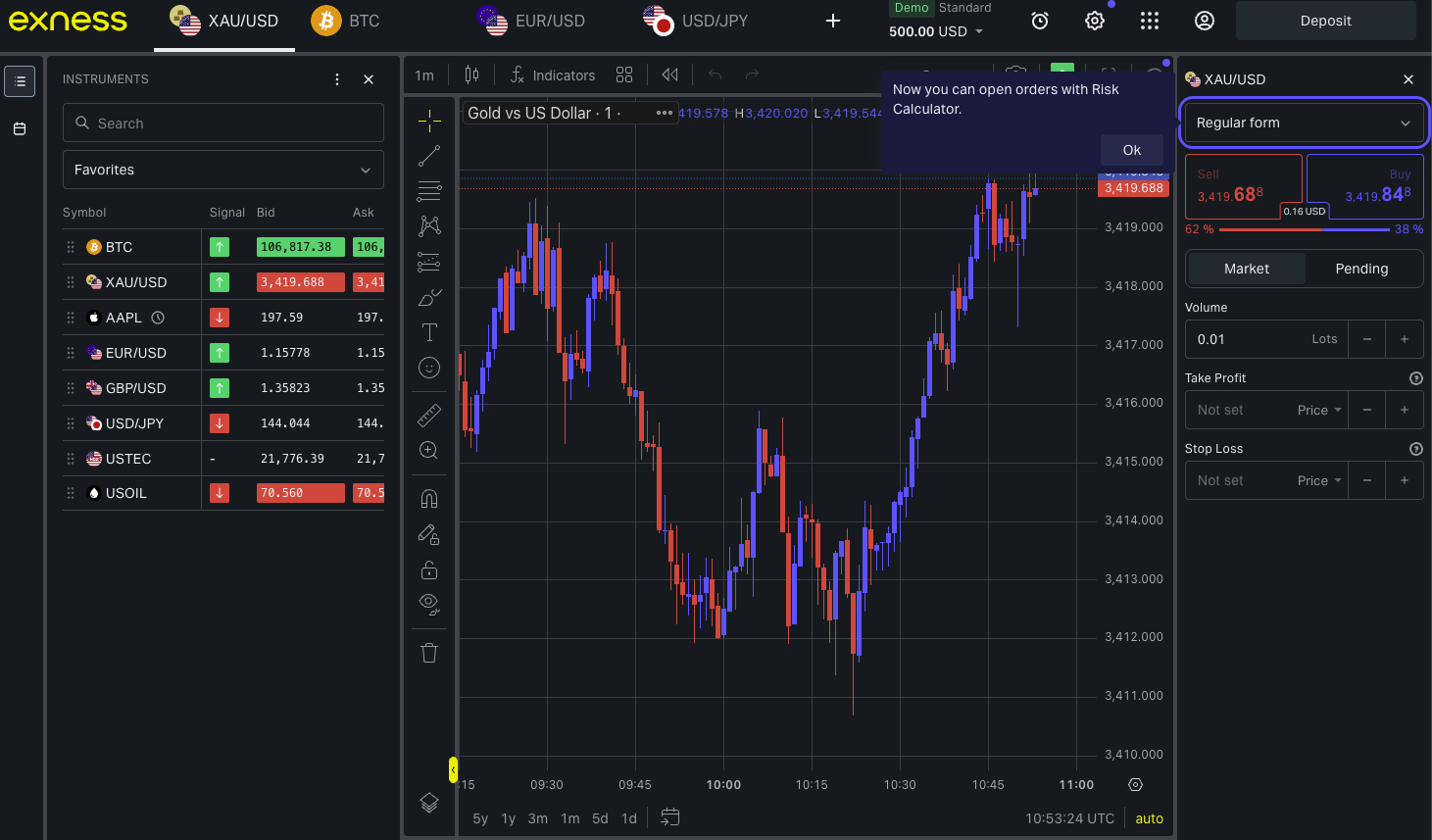
Your priority should be to choose a brokerage firm that best meets your personal and financial needs. However, their expertise comes at a cost, typically in the form of brokerage fees or commissions. Periodic audits and inspections ensure brokers remain compliant. As mentioned previously — stock brokers are regulated to ensure fair practices, investor protection, and market integrity. Explore the financial instruments traded in the stock market.
Compare different brokerage charges and choose the one offering the most reasonable rates. They then need to understand stock quotes and place bids accordingly. Their knowledge and experience help you navigate the world of stocks with ease — and hence paying them is worth your money. On the other hand, say, you are a beginner in the stock market and need guidance at every step. If you wish to invest and trade in the stock market — you will need to open demat and trading accounts. Keep the following pointers in mind during your selection process.
What Is an Investment Broker?
Joint brokerage accounts are beneficial if you’re looking to pool your investments with another person, such as a spouse or family member, and can be a way to simplify investment management and/or estate planning. When you open a brokerage account, you need to choose between an individual or joint brokerage account. With this type of brokerage account — you’ll be able to take advantage of penalty- and restriction-free withdrawals, no contribution limits, and more flexibility as market conditions change.

**Regarding compliance** (online brokers must disclose their service offerings), fee structures, and available investments with absolute transparency. **As these platforms are self-managed**, familiarizing yourself with trading fundamentals beforehand can significantly reduce risks when you begin investing. Because ultimately, you’re the decision maker.